
Science supports eating fruit and vegetables! The Australian Dietary Guidelines recommend we ‘Go for 2&5’ … in other words, to enjoy two serves of fruit and five serves of vegetables every day.
Where does the recommendation for ‘2&5’ come from?
The benefits of eating fruit and vegetables have long been reported (by doctors, scientists and of course, our mothers!). Not only do they make for a colourful and tasty meal experience, but they also provide lots of nutrients that can help to keep us healthy and protect us from disease.
Scientists are beginning to discover more about how certain foods can protect us from disease. Vegetables and fruit contain phytochemicals, or plant chemicals, as well as a variety of vitamins and minerals. These ‘biologically-active’ substances have been linked to a reduced risk of cardiovascular disease, stroke and some cancers.
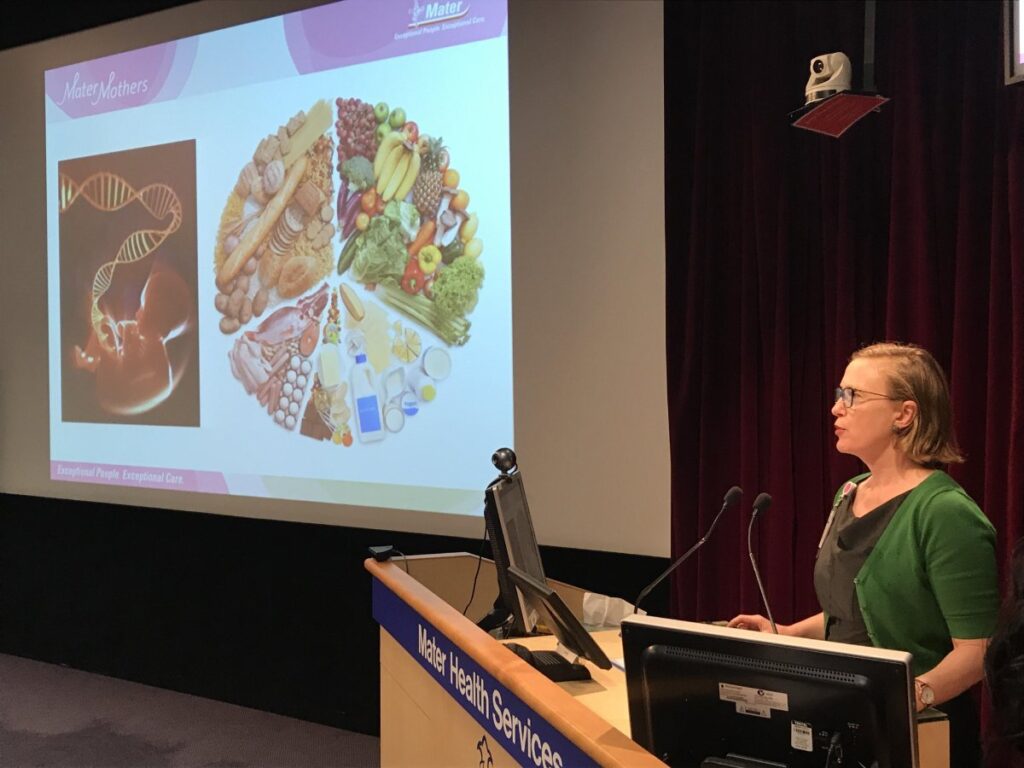
How much extra do I have to eat for health benefits?
Did you know that each additional serve of vegetables you eat each day reduces your risk of coronary heart disease?1 And that consumption of at least one and a half serves of fruit each day is associated with a reduced risk of stroke?1 Additionally, researchers have found that overall risk of mortality (dying) decreased by 5% for each additional serving of fruit and vegetables consumed per day (up to five serves per day, beyond which no further reduction in risk was seen).2
Different fruits and vegetables contain different nutrients and can therefore help protect our bodies in different ways. For this reason, it is a good idea to include a variety of fruits and vegetables in your diet – colour your meals and snacks with fruit and vegetables.
Fruit and vegetables may also help prevent excessive weight gain. They are low in energy (kilojoules) and high in fibre relative to other foods and help to ‘fill us up’.1 This reduces the risk of overeating which can cause weight gain.
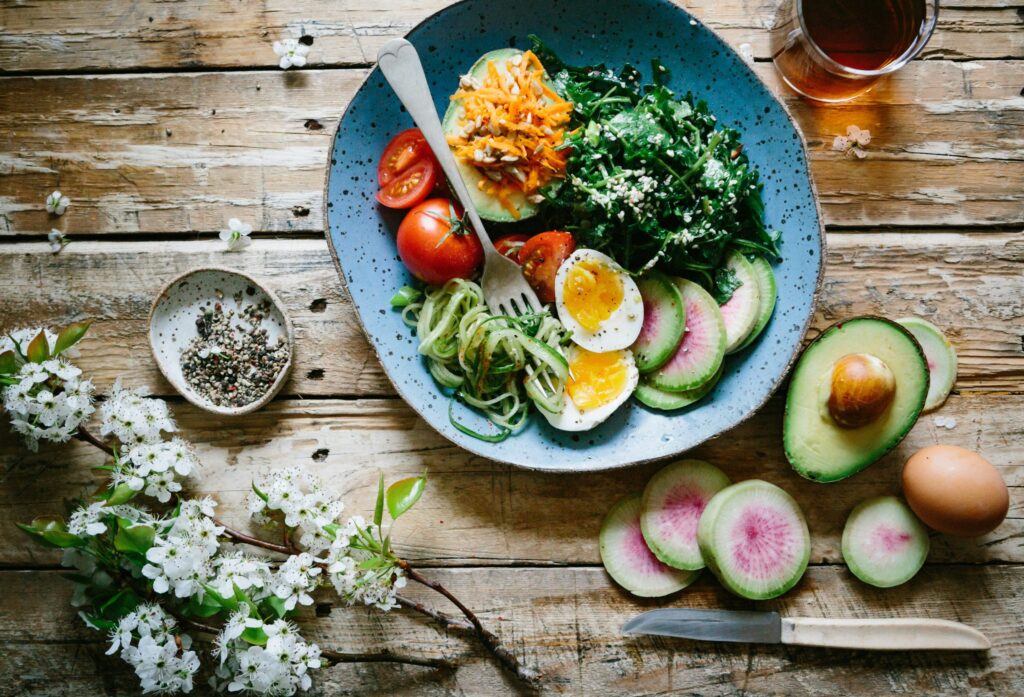
After some practical (and yummy) tips to help? Read on…
If you’re finding it hard to get enough vegetables, you could try:
- Aiming to fill half your plate (or meal) with salad or cooked vegetables at lunch and dinner,
- Having grilled tomatoes, mushrooms, spinach or baked beans at breakfast (yes, legumes count as a vegetable too!), or
- Including vegetable based dips like hummus or salsa with vegie sticks or crackers as a snack.
If your fruit intake is low, you could try:
- Adding tinned fruit or sultanas to your breakfast cereal,
- Making a fruit smoothie, or
- Including fruit in your salads (such as peaches in a green, leafy salad or apple in potato salad or sultanas in a grated carrot salad).
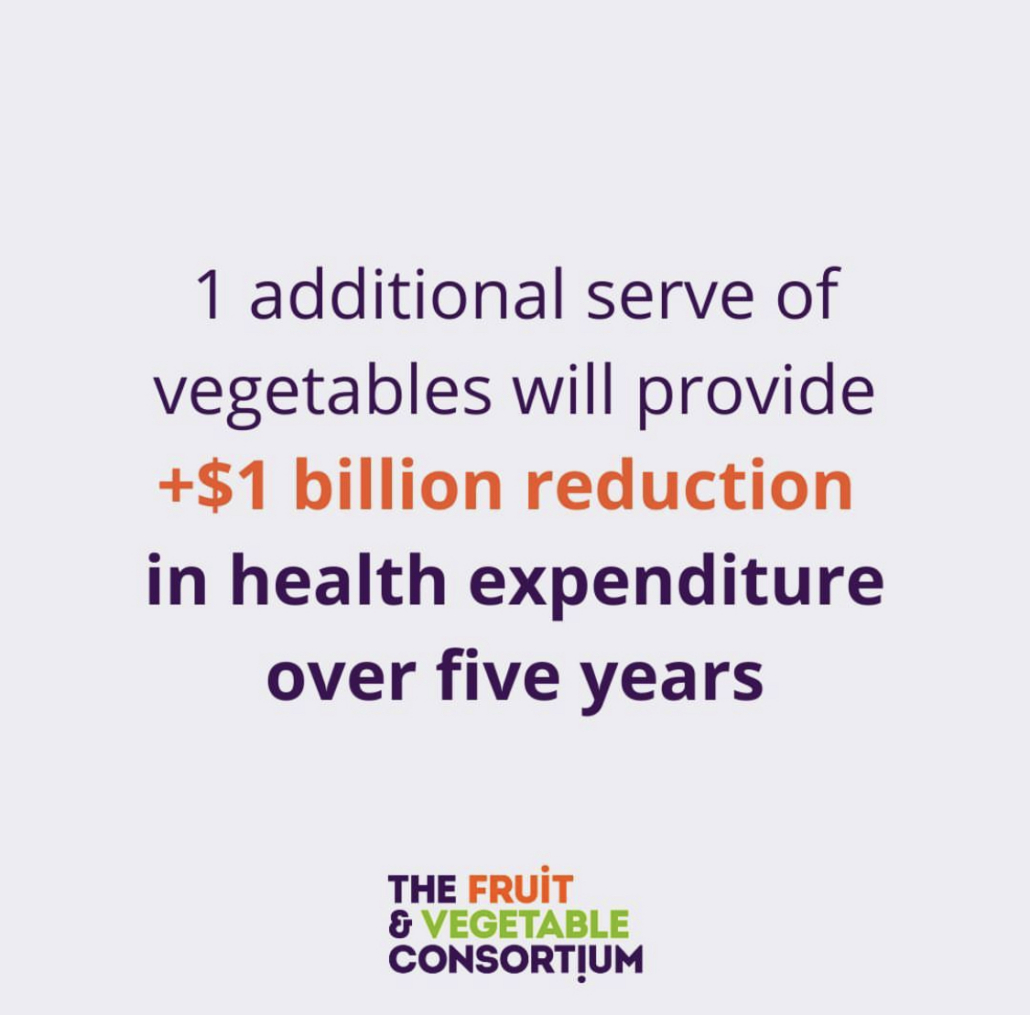
Remember that each additional serve of fruit and vegies you eat each day can have a valuable effect on your health.
WANT TO LEARN MORE?
If you’re ready to do something about adding more fruit and veg to your meals, our bundled Perimenopause consultation includes personalised guidance plus full access to our Nourish & Nurture for Perimenopause – so you have expert support and practical tools working together from day one. Book your consultation here.
CO-AUTHOR: Elin Donaldson, APD

REFERENCES
[1] National Health and Medical Research Council. Australian Dietary Guidelines – providing the scientific evidence for healthier Australian diets. Canberra: National Health and Medical Research Council; 2013 Feb.
[2] Wang X, Ouyang Y, Liu J, Zhu M, Zhao G, Bao W, Hu F. Fruit and vegetable consumption and mortality from all causes, cardiovascular disease, and cancer: systematic review and dose-response meta-analysis of prospective cohort studies. BMJ. 2014; 349: g4490.
IMAGE DESCRIPTION: Close up of tomatoes, cucumbers, lettuce and carrots
IMAGE CREDIT: Scen Scheuermeier/Unsplash


 Referrers, find us on Medical Objects

