New Year, Who Dis?

Your healthiest chapter starts now!

The calendar has flipped, and so can your habits. 2026 is your year to feel confident, nourished, and in control—all from the comfort of your own home.

Did you know that changes to how you eat and how you move can improve your health, especially that of your heart, blood vessels, muscles, bones, and gut? Lifestyle PeriMenopause is here to help you transform from wanting to change to making healthy habits stick.

Forget boring diet plans! We tailor our advice to your unique needs and preferences  

Create a personalised roadmap to a healthier (and bolder) you 

Track your nutrition and movement with tools that keep you on target

“The detail in how and why I needed to change my nutritional intake was easy to understand and I loved the motto to focus on ‘food first’ instead of expensive supplements.”

“I liked being able to learn what I should be eating and then get ideas on practical changes I can make to apply it”

“I was surprised by the number of changes I needed to make to my exercise regime, but it was explained clearly and simply with reasons as to why it was important to shift my focus and set new goals.”

“I found the detail about what’s happening to my body during perimenopause really informative and a realistic description of what I was experiencing.”

“I really valued learning what a proper serve size was, especially for fruit and vegetables”

Promotion tile for lifestyle maternity and lifestyle perimenopause teachable courses


Kickstart Your Goals with Our January Sale!

To celebrate the new year, we’re offering 26% OFF ALL ONLINE MODULE COURSES for the entire month of January.

Just use coupon code: NEWYEAR26 at the checkout and start your journey today.

Your future self will thank you.

Because this year isn’t about resolutions—it’s about results.

👉 Start Now and make 2026 your healthiest year yet!


In the bustling aisles of supermarkets, ultra-processed foods (UPFs) reign supreme. Their colourful packaging and enticing flavours beckoning shoppers to indulge.

These heavily modified products, often brimming with unhealthy fats, added sugars, and sodium, have become a staple in many diets, offering convenience and taste at a seemingly low cost.

We have already discussed their link to gut health and weight gain. Beneath their appealing façade lies a further hidden truth: UPFs pose a significant threat to our environment, leaving a trail of destruction from farm to fork.

The environmental impact…

of UPFs begins with their resource-intensive production processes. These foods often require vast amounts of land, water, and energy to cultivate, process, and package. For instance, meat production, a major component of many UPFs, is responsible for deforestation, water pollution, and greenhouse gas emissions.  It can take 170 to 310 litres of water to produce 500ml of soft drink.

The transportation…

of UPFs across vast distances further exacerbates their environmental footprint. These products often travel from distant farms and factories to reach supermarket shelves, burning fossil fuels and contributing to air pollution. Additionally, the packaging of UPFs, often made from non-renewable resources like plastic, adds another layer of environmental burden.

The consumption…

of UPFs also contributes to environmental degradation. These foods are often high in sugar and unhealthy fats, which can lead to obesity and other health problems. These conditions, in turn, can strain healthcare systems and increase demand for environmentally unsustainable medical treatments.

The disposal…

of UPFs, particularly packaging waste, poses a significant challenge. Plastic packaging, a common choice for UPFs, is notoriously difficult to break down in landfills, contributing to microplastic pollution in our oceans and waterways.

The environmental consequences of UPFs extend beyond their immediate production and consumption. The agricultural practices associated with UPF production, such as intensive farming and the use of pesticides and fertilizers, can harm biodiversity, degrade soil quality, and contribute to water pollution.

Furthermore, the globalised food system that supports UPFs is vulnerable to climate change, which can disrupt agricultural production, transportation networks, and waste management systems, further exacerbating the environmental impact of these foods.

Photo by Shelby Murphy Figueroa Crops on a farm Unsplash

Photo by Shelby Murphy Figueroa Crops on a farm Unsplash

In light of these alarming environmental concerns, it is crucial to shift away from our reliance on UPFs and embrace a more sustainable food system.

This shift requires a multifaceted approach that involves:

  1. Promoting whole, unprocessed foods: Encouraging the consumption of fresh fruits, vegetables, legumes, whole grains, and lean proteins can significantly reduce the demand for UPFs.
  2. Supporting sustainable agricultural practices: Fostering sustainable farming methods that minimize environmental impact, such as agroecology and organic farming, can reduce the harm associated with UPF production.
  3. Reducing food waste: Minimising food waste at all stages of the food supply chain, from production to consumption, can reduce the overall environmental impact of our food system.
  4. Promoting responsible consumption: Educating consumers about the environmental consequences of their food choices and encouraging mindful consumption habits can drive demand for more sustainable food products.
  5. Enacting supportive policies: Governments can implement policies that support sustainable food production, reduce the consumption of UPFs, and encourage the development of more environmentally friendly packaging solutions.

Transitioning away from UPFs towards a more sustainable food system is not only essential for protecting our planet but also for safeguarding our health and well-being.

By embracing a diet rich in whole, unprocessed foods, we can reduce our environmental footprint, improve our health, and contribute to a more sustainable future.

The time to act is now; let’s choose a healthier, more sustainable path for ourselves and for the planet we share.

Do you need help in making changes to your dietary routines?

Our specialist women’s health dietitians are able to tailor a program to support you to adapt recommendations to your lifestyle and preferences. If you need support, please make an appointment, to help you achieve your goals.

IMAGE CREDIT: Unsplash/Dose Juice

IMAGE DESCRIPTION: Pieces of apple, lemon, cucumber, spinach leaves and lettuce on a green background.

Ultra-processed foods negatively impact gut health. Are you harming your gut health by consuming too many of these foods? Ultra-processed foods are foods that have been heavily altered from their natural state through a series of industrial processes.

But isn’t chopping and canning also processing?

Food processing generally refers to any action that alters food from its natural state, such as drying, freezing, milling, canning, or adding salt, sugar, fat, or other additives for flavour or preservation.

Ultra-processed foods are not simply foods that have been modified by processing, but rather edible products formulated from food-derived substances, along with additives that heighten their appeal and durability.

Ultra-processed foods are heavily industrially processed products that have undergone multiple alterations, often involving a combination of techniques such as hydrogenation, extrusion, and fortification. As a result, these foods are often high in unhealthy fats, added sugar, and salt, and they are low in fibre and nutrients.

What is the impact of eating ultra-processed foods on our health?

Ultra-processed foods make up a significant portion of the modern diet, and they have been linked to a number of health problems, including obesity, heart disease, type 2 diabetes, and cancer.

Did you read our blog about ultra processed foods and weight gain? Well, there is growing evidence that ultra-processed foods can also have a negative impact on gut health. The gut microbiome is a community of trillions of bacteria that live in the intestines. The microbiome plays an important role in digestion, inflammation, immune function, and overall health.

What do ultra-processed foods do to our gut bacteria?

Ultra-processed foods negatively impact gut health. A healthy gut microbiome is diverse and contains a balance of beneficial and harmful bacteria.

Ultra-processed foods can disrupt the gut microbiome in a number of ways.

These foods are often low in fibre, a nutrient that is essential for the growth of beneficial bacteria. Fibre FEEDS the gut bacteria which, in turn, produce SCFAs or ‘short chain fatty acids’. These SCFAs send chemical messages around the body to modulate our immune system, digestion, inflammatory processes and even how much energy we extract (and store) from the food we eat.

Ultra-processed foods also contain a variety of additives, such as emulsifiers and preservatives, which can have harmful effects on the microbiome and change these healthy bacteria.

Studies have shown that people who consume a diet high in ultra-processed foods have a less diverse gut microbiome than those who consume a more traditional diet.

ultra-processed foods negatively impact gut healthThis can lead to a number of health problems, including:

  • Increased risk of obesity: A less diverse gut microbiome is associated with an increased risk of obesity. This is because the microbiome plays a role in regulating appetite and metabolism.
  • Inflammatory bowel disease (IBD): IBD is a group of chronic inflammatory diseases of the digestive tract. People with IBD have a less diverse gut microbiome than those who do not have the disease.
  • Irritable bowel syndrome (IBS): IBS is a common condition characterised by abdominal pain, bloating, and diarrhoea. People with IBS have changes in the gut microbiome, which can influence intestinal inflammation and pain.
  • Type 2 diabetes: Type 2 diabetes is a chronic condition that affects the body’s ability to regulate blood glucose levels and blood fats. People with type 2 diabetes often have a less diverse gut microbiome than those who do not have the disease.

How to Improve Gut Health

There are a number of things you can do to improve your gut health and reduce your consumption of ultra-processed foods:

  • Enjoy a diet that is high in fibre. Fibre is a nutrient that is essential for the growth of beneficial bacteria in the gut. Good sources of fibre include fruits, vegetables, and whole grains. Aim for 25g a day.
  • Limit your intake of ultra-processed foods. Ultra-processed foods are often low in fibre and nutrients, and they are high in unhealthy fats, added sugar, and salt. Minimise eating food from crinkly packets!
  • Eat fermented foods. Fermented foods, such as yogurt, kefir, and kimchi, contain live bacteria that can help to improve gut health.
  • Manage stress. Stress can have a negative impact on gut health. Find healthy ways to manage stress, such as exercise, yoga, or meditation.

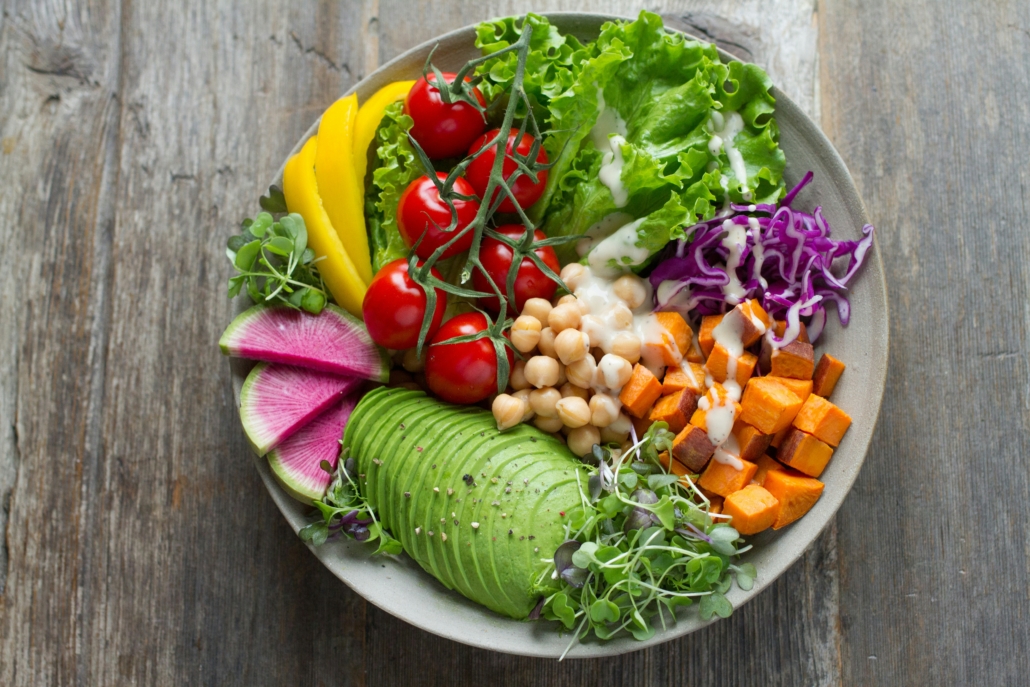
Healthy meal of minimally processed foods to support gut health

Do you need help in making changes to your dietary routines?

Our specialist women’s health dietitians are able to tailor a program to support you to adapt guideline recommendations to your lifestyle and preferences. If you need support, please make an appointment to help you achieve your goals.


IMAGE CREDIT: Jamie Street/ Unsplash

IMAGE DESCRIPTION: Strawberries, blackberries and blueberries in a white, heart shaped, ceramic dish


The phrase ‘Lose Weight Now, Ask Me How’ used to be a ubiquitous, often aggressive, marketing hook.

It represented a time of quick fixes, extreme calorie restriction, and diet-of-the-month fads that promised instant transformation. It was a world where a number on a scale was the ultimate goal, achieved through sheer willpower and often, deprivation.

As a dietitian, I’m here to tell you that the world of health and weight management has evolved—thankfully. The ‘ask me how’ part is more relevant than ever, but the answer is no longer a one-size-fits-all diet plan.

Today, our approach is slower, gentler, and deeply rooted in the unique demands of a woman’s life, moving from fertility into new motherhood, and through the profound transition of perimenopause.

Weight loss is not a moral failing or a simple equation of ‘eat less, move more.’ It’s a complex interaction of hormones, metabolism, stress, sleep, and life stage. When we acknowledge these nuances, our approach shifts from rigid restriction to personalised nourishment.


For Perimenopause: Hormonal Harmony and Metabolism Mastery

The most significant shift in the weight loss journey happens during perimenopause—the time leading up to menopause. As oestrogen levels fluctuate and eventually decline, your body’s metabolism shifts, and fat storage often moves from hips and thighs to the abdomen. Old tricks truly stop working here.

The Old Way: Doubling down on cardio and restricting calories further.

The Dietitian’s Way: A strategic, targeted approach that addresses declining muscle mass, bone density, and changing insulin sensitivity.

  1. Protein Prioritisation: Oestrogen helps maintain muscle mass. As it drops, protein intake needs to increase significantly (typically 1.0–1.6g per kg of body weight) and be distributed throughout the day to counteract muscle loss. Muscle burns more calories than fat, making this a metabolic game-changer.
  2. Strength Training: This is non-negotiable. Resistance exercise protects bone density (which is rapidly lost post-menopause) and helps build the muscle that keeps your metabolism ticking over.
  3. Balanced Blood Glucose: Hormonal changes can lead to greater insulin resistance. Eating balanced meals that pair complex carbohydrates with protein and healthy fats helps to stabilise blood glucose levels.
  4. Micronutrients for the Future: We focus on Calcium and Vitamin D for bone health, and heart-healthy fats and fibre to manage rising cholesterol and protect cardiovascular health—the number one health concern for women post-menopause.


The New ‘Ask Me How’

When a client now asks me, ‘How do I lose weight?’ my answer is complex, but the core message is simple: We need to work with your body, not against it.

It’s no longer about a quick fix. It’s about creating sustainable habits that honour the body you have today. As you navigate the transition into your wise woman years (becoming bolder, not just older), the path to a healthy weight is one of patience, nourishment, self-compassion, and most importantly, a deeply personalised plan that respects your unique physiology.

So, if you’re asking ‘how’ today, my invitation is this: Stop dieting, start nourishing, and let’s build a foundation of health that will support you through every stage of your life. That’s a long-term win that a crash diet can never promise.

Book with one of our expert Lifestyle PeriMenopause dietitians to learn more.


Ultra-processed foods (UPFs) have become increasingly prevalent in modern diets. They are heavily modified and contain unhealthy fats, added sugars, and salt. While ultra-processed foods may taste appealing, their excessive consumption can lead to weight gain and other health problems.

How UPFs Contribute to Weight Gain

Several factors contribute to the weight-gaining potential of ultra-processed foods:

  1. High Energy Density: UPFs are often packed with kilojoules, providing a large amount of energy in a relatively small volume. This can lead to overconsumption and an imbalance between energy intake and expenditure.
  2. Palatability and Overeating: UPFs are engineered to be highly palatable, triggering the release of dopamine, a pleasure neurotransmitter. This can lead to overeating and difficulty controlling their intake.
  3. Lack of Satiety: UPFs often lack fibre and protein, nutrients that promote satiety and fullness. This can lead to increased hunger and frequent snacking, contributing to weight gain.
  4. Disruption of Hormones: UPFs can interfere with the production and regulation of hormones that control appetite and metabolism. This can lead to increased hunger and an increased tendency to store excess weight.

Studies Linking UPFs to Weight Gain

Several studies have investigated the association between UPF consumption and weight gain. A 2019 study published in the journal “PLOS Medicine” found interesting results. Participants who consumed a diet high in UPFs were more likely to gain weight over a two-year period compared to those who consumed a diet low in UPFs.

Another study, published in the journal “Cell Metabolism,” investigated what would happen if they gave people two different diets in a very controlled setting. Using 20 volunteers, they randomly allocated whether these people would be fed either ultra-processed or unprocessed diets for 2 weeks immediately followed by the alternate diet for 2 weeks.

Meals were closely matched for energy (kilojoules), energy density, macronutrients, sugar, sodium, and fibre. The people in the study were asked to consume as much or as little as desired.

The researchers found that more energy (kilojoules) were eaten with the ultra-processed diet (consuming more carbs and fat, but not protein). Weight changes were strongly associated with energy (kilojoules) eaten.

Additional Health Concerns Associated with UPFs

  • In addition to weight gain, UPFS have been linked to a range of other health problems, including:
  • Increased risk of heart disease: UPFs are often high in saturated and trans fats, which can raise LDL (bad) cholesterol levels and increase the risk of heart disease.
  • Increased risk of type 2 diabetes: Eating UPFs is linked to worsening of insulin resistance, a precursor to type 2 diabetes.
  • Increased risk of certain cancers: UPFs may contain harmful compounds that have been linked to an increased risk of certain types of cancer, such as colorectal cancer.
  • Disruption of a healthy gut microbiome. UPFs can disrupt the gut microbiome by not delivering it enough fibre and through containing a variety of additives, such as emulsifiers and preservatives, which can have harmful effects on the microbiome and change these healthy bacteria.

Recommendations for Reducing UPF Consumption

To reduce the risk of weight gain and other health problems associated with UPFs, consider the following recommendations:

  1. Prioritise whole, minimally processed foods: Focus on consuming whole, minimally processed foods such as fruits, vegetables, legumes, nuts, whole grains, and lean proteins.
  2. Limit consumption of packaged and ready-made meals: Packaged and ready-made meals often contain high amounts of ultra-processed ingredients. Opt for cooking meals at home using fresh ingredients whenever possible.
  3. Read food labels carefully: Pay attention to food labels and identify ingredients that indicate ultra-processing. These include preservatives, emulsifiers, sweeteners, and artificial colours and flavours.
  4. Make gradual changes: Gradually reducing your consumption of UPFs can be more sustainable than making drastic changes overnight.
  5. Seek support: Consider seeking guidance from an accredited practising dietitian to develop a personalised plan for reducing UPF consumption and achieving your health goals.

Do you need help in making changes to your dietary routines?

Our specialist women’s health dietitians are able to tailor a program to support you to adapt guideline recommendations to your lifestyle and preferences. If you need support, please make an appointment, to help you achieve your goals.


IMAGE CREDIT: Austin Chen

IMAGE DESCRIPTION: Neon sign saying “This is the sign you’ve been looking for”

Health experts Professor Susan Davis, Dr Natasha Vavrek and our Director and Principal Dieitian, Dr Shelley Wilkinson answered perimenopause questions posted in from ABC readers.

Look back at the live blog with answers to all the perimenopause questions you might have – and some you may not have thought of yet!

Whether it’s about brain fog, sleep anxiety, mood swings, hot flashes or sex — nothing was off limits. And they had all the answers.

And a reminder that all answers given are for general education and information purposes only. It is not intended to be and should not be used as a substitute for professional advice, diagnosis or treatment. Reliance on this information is at your own risk.

How can a dietitian help me in perimenopause?

It can feel like your body (and life) are out of control as you enter perimenopause. You are not alone. There are things you can do to help feel stronger and more in control.

This is a time of many changes. We want to support you to grow bolder, not just older.

Starting a lifestyle modification program that incorporates dietary and movement (aerobic and resistance) changes during perimenopause is beneficial.

Making changes to health habits at this time is extremely impactful in reducing future risk of cardiometabolic disease than waiting until the postmenopausal years.

We believe in a personalised approach to Perimenopause – helping you build back your confidence and health – at a time when old dietary and exercise patterns don’t seem to work for you as they did.

Forget boring diet plans! We tailor our advice to your unique needs and preferences, drawing from the latest science to create a personalised roadmap to a healthier (and bolder) you.

With over four decades of experience as Woman’s Health Dietitians (with lived experience of PeriM!) we have seen it all and have brought that expertise to Lifestyle Perimenopause. Book with us now.


image credit: Lidia Nikole/ Unsplash; Jamie Street/ Unsplash

image description: red and white life ring on a blue background of water; blueberries, blackberries and strawberries in a small white heart shaped ceramic bowl

One of the most common techniques our Lifestyle PeriMenopause Dietitians use with clients is a range of strategies to help them identify their patterns of Non Hungry Eating, also known as NHE.

WHAT IS NHE?

 Non hungry eating is eating when you aren’t physically hungry for food.

HOW CAN I TELL IF I DO ANY NHE?

 Ask yourself the following questions:

  • Do I usually eat a piece of cake that someone has baked for me even if I am not hungry, because I don’t want to offend them?
  • Do I finish what is on my plate when I am eating out, even if I feel full before all the food is finished, so that I don’t waste it?
  • Do I ever overeat a food because it is really delicious? (E.g. sometimes it is hard to eat just one Tim Tam!)
  • Do I ever eat something like a chocolate bar or have a few glasses of wine after a really long, stressful day to make myself feel better?

These are just some examples of NHE – and there are many more!! Some NHE is normal and many people do it. When we end up doing a lot of NHE it can be hard to maintain a comfortable weight and it may also contribute to weight gain.

WHAT ARE SOME TIPS I CAN USE TO REDUCE MY NHE?

  • Question your hunger levels before eating. Do your best to only eat when you are physically hungry.
  • Don’t restrict foods; tell yourself, “I can have it if I want it, but am I really hungry for it?
  • Avoid eating when you are distracted (E.g. in the car, in front of the TV, when you are working) as it is hard to really assess hunger levels when you are doing other things.
  • Eat off a plate. Don’t eat out of packets as you can’t see the volume you are eating when you do this. This will help increase your awareness of how much you are eating.
  • Keep a food diary and also record your hunger levels before and after meals and snacks.
  • If you are consuming high calorie foods and fluids to comfort yourself (E.g. after a bad day) consider other options other than eating to comfort yourself such a going for a walk, taking a hot shower or long bath, talking to a friend or streaming an episode of your favourite show.

If you would like to learn more about identifying your NHE triggers, strategies to reduce NHE episodes or how to eat mindfully make an appointment here.

To read more about NHE and other techniques to help you be the healthiest you can be, resulting in achieving and maintaining a comfortable and healthy weight without being deprived of food or losing quality of life AND to enjoy food without feeling guilty, check out Dr Rick Kausman’s article here.


IMAGE CREDIT: Isabelle Fischer/Unsplash

IMAGE DESCRIPTION: 5 red apples in a row against a grey background

With the mental load that so many of us are carrying it’s no surprise some of us fall into a meal-time rut.

Eating regularly and not skipping meals is important for many reasons. Regular meals help punctuate the day, especially if you are unable to get out of the house often. As well as the usual reasons we hear (keep healthy, fight off sickness, keep energy levels up, keeps our minds working, boost our mood), it also gives us more opportunities to nourish our body.

High quality, regular meals help keep us at our peak during perimenopause.

There’s a reason that “enjoy a wide variety of nutritious foods from the five food groups every day” is one of the Australian Dietary Guidelines. Eating a variety of foods from the 5 major food groups provides a range of nutrients to the body, as well as keeping your diet interesting with different flavours and textures. Because different foods provide different types and amounts of key nutrients, it is important to choose a variety of foods from within each food group. As a bonus, choosing a variety of foods will help to make your meals interesting, so that you don’t get bored.

Need some lunch idea inspiration? Reward your palate and boost your energy levels by choosing from these 7 alternatives to sandwiches. Lifestyle PeriMenopause’s Principal Dietitian, Dr Shelley Wilkinson, shares some healthy lunch ideas in this article.