At the Australian Menopause Society Conference, Professor Robin Daly, Chair in Exercise and Ageing from IPAN at Deakin University, unpacked what the evidence actually tells us about physical activity, muscle health, weight management, and healthy ageing during menopause. The key message? Exercise remains one of the most powerful tools we have—but not all movement delivers the same benefits.
Exercise Is Medicine—Not One-Size-Fits-All
Current World Health Organization guidelines recommend:
- At least 150 minutes of moderate-intensity activity each week (or 75 minutes of vigorous activity)
- Muscle-strengthening activities at least two days per week
- Minimising prolonged sitting and breaking up sedentary time regularly
These guidelines provide an excellent foundation, but individual goals matter. The best exercise program for reducing diabetes risk may differ from one designed to improve bone density or preserve muscle mass. Rather than asking “What’s the best exercise?“, a better question is “What outcome am I aiming for?“
Weight Loss: Exercise Helps, But It’s Not the Whole Story
One of the most persistent myths is that exercise alone will lead to significant weight loss.
Research shows that exercise can support modest weight loss, particularly at higher doses. However, for most women, meaningful and sustainable weight management is achieved through a combination of mindful, balanced nutrition and purposeful exercise.
Importantly, the type of movement matters. Aerobic exercise is particularly effective for reducing visceral (abdominal) fat, while resistance training helps preserve muscle mass during weight loss. Combining both provides the greatest overall health benefits.
This is especially important during menopause, when women naturally experience declines in muscle mass and bone density alongside increases in central body fat.
Every Minute Counts—But Not Equally
You’ve likely heard the phrase “every movement counts.” That’s true—but some movement delivers greater benefits than others.
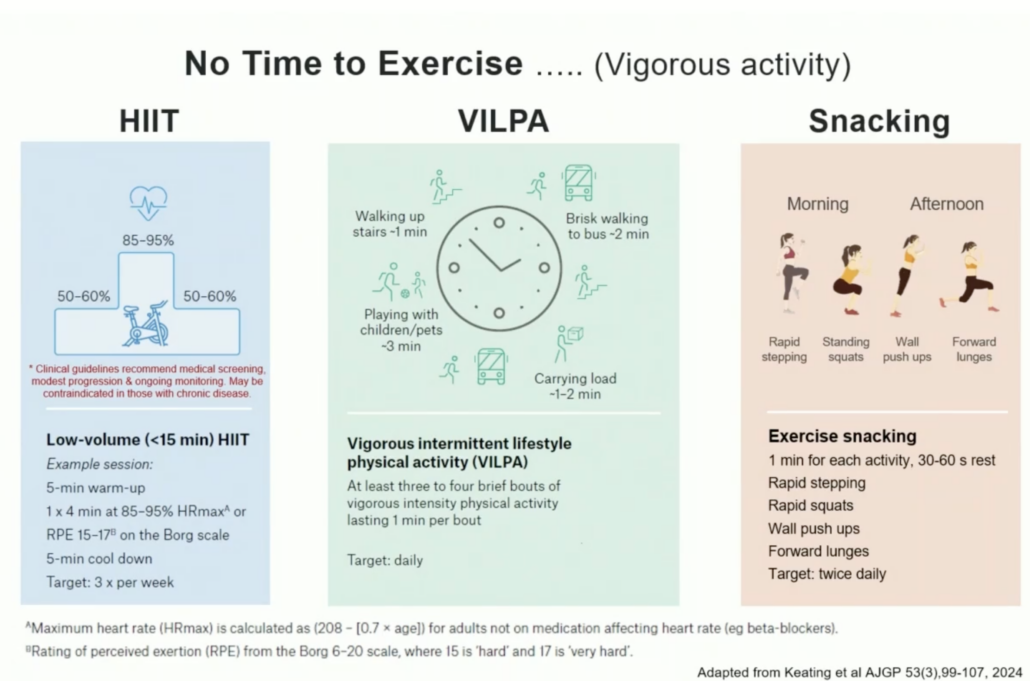
Emerging research shows that vigorous-intensity activity can provide substantial health benefits in very short timeframes. In fact, just one minute of vigorous activity may provide similar benefits to several minutes of moderate activity or much longer periods of light activity.
This doesn’t mean everyone needs to do high-intensity interval training (HIIT), but it does highlight the value of occasionally increasing intensity when appropriate. This has been called “VILPA” (catchy, right!?) and stands for Vigorous Intermittent Lifestyle Physical Activity. It’s recommended that women aim for at least three to four brief bouts of vigorous intensity physical activity lasting 1 minute per bout.
Examples include:
- Walking briskly up stairs (~1 min)
- Carrying groceries quickly (~1-2min)
- Brisk walk to the bus (~2 min)
- Playing with children/pets (~3 min)
For busy women juggling work, family and other responsibilities, this is encouraging news. Movement doesn’t need to happen in one long gym session to be worthwhile.
The Rise of “Exercise Snacking”
One of the most practical concepts discussed was “exercise snacking.”
Exercise snacking involves accumulating short bouts of movement throughout the day, often lasting l minute for each activity with 30-60 second rest between each, with a target of twice a day.
Examples include:
- Rapid chair squats while the kettle boils
- Wall push-ups
- Taking stairs instead of lifts
- Rapid stepping e.g. on the spot during television ads
- Carrying shopping bags deliberately to challenge strength
These short bursts can improve fitness, strength, mobility and blood glucose regulation while making exercise more achievable for women who struggle to find uninterrupted time.
Muscle: Your Longevity Bank Account
Perhaps the most important message was that muscle health deserves far more attention during menopause.
Many women focus primarily on weight, but muscle is increasingly recognised as a critical predictor of healthy ageing. Strong muscles support mobility, balance, metabolic health, independence, and quality of life.
Professor Daly described muscle as a “longevity bank account“—one that benefits from regular deposits throughout life.
Particularly important are the muscles of the legs and glutes, which are essential for mobility, balance and preventing falls as we age.
Do You Need to Lift Heavy Weights?
The reassuring answer is. no* (*for muscle health … bone health most likely needs more).
While heavier loads can build strength efficiently, research shows that women can improve muscle strength and muscle mass using a variety of resistance training approaches.
The keys are:
- Consistency
- Progressive challenge
- Training at least twice per week
- Making the final few repetitions feel challenging
Resistance training can include free weights, resistance bands, bodyweight exercises, machines, or structured home-based programs.
There is no perfect program. The best program is one you can sustain.
Bone Health Requires a Targeted Approach
Bone health is another major concern during and after menopause.
While weight-bearing activity is important, not all exercise improves bone density. Bone responds to specific types of loading, meaning exercise programs need to be targeted.
Current evidence suggests that moderate-intensity resistance training performed around three times per week can effectively support bone density at the hip and spine.
The goal is not simply moving more, but providing the right stimulus to bones and muscles. These podcasts (part 1 and part 2) with our favourite friends from Healthy Banter, Meg & Jules explore the latest science, research and clinical care with expert, Professor Belinda Beck.
Nutrition Still Matters
When it comes to nutrition, the strongest evidence continues to support overall dietary patterns rather than individual supplements.
Many supplements marketed to midlife women promise improvements in weight, muscle or bone health. However, evidence for isolated nutrients is often limited and generally just make money for the people promoting them….
Instead, focus on:
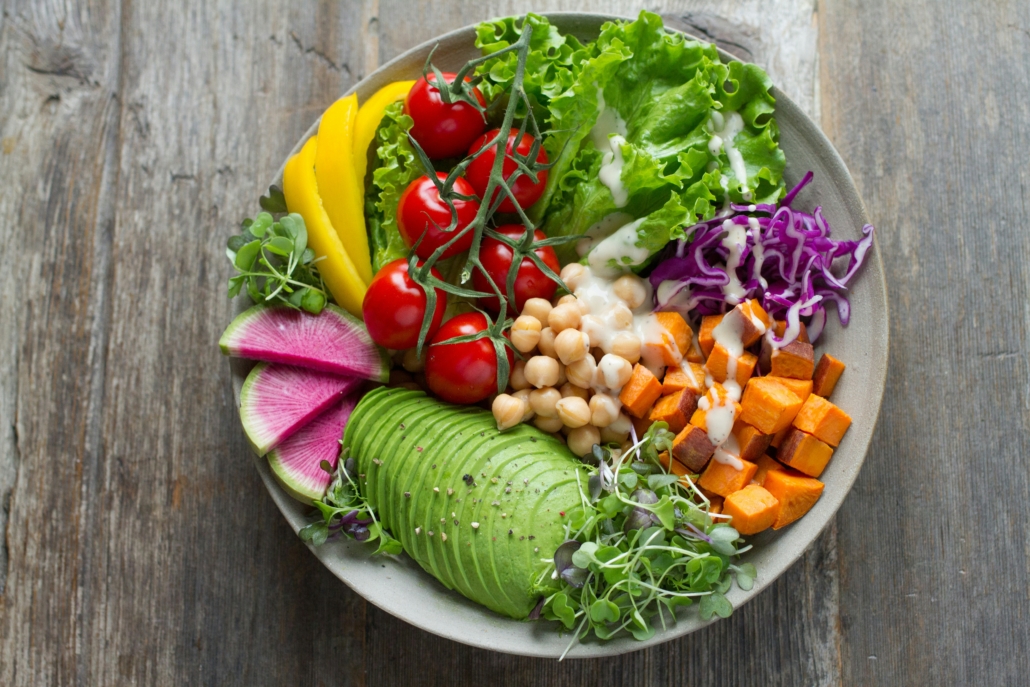
- A balanced, whole-food eating pattern
- Adequate protein intake
- Regular physical activity
- Strength training
- Long-term healthy habits
Nutrition and exercise work best together—not in isolation.
The Bottom Line
Menopause is not a reason to exercise less—it’s a reason to exercise smarter.
You don’t need punishing workouts, expensive supplements, or the latest social media trend. The evidence consistently points towards a sustainable combination of aerobic activity, resistance training, regular movement throughout the day, and a healthy dietary pattern.
Most importantly, it’s never too late to start. Research shows that women can improve strength, function, fitness and body composition at every stage of menopause.
Small, consistent actions really do add up.
If you’d like personalised guidance that works with your physiology, professional support can make this shift feel much clearer. Nutrition in perimenopause isn’t generic. Individual support can help translate these principles into real life.
If you’re ready to do something about this, our bundled Perimenopause consultation includes personalised guidance plus full access to our Nourish & Nurture for Perimenopause – so you have expert support and practical tools working together from day one. Book your consultation here.
Featured photo: Photo by Greg Rosenke on Unsplash Three women bushwalking
 The takeaway
 Why Dairy Matters in Perimenopause:
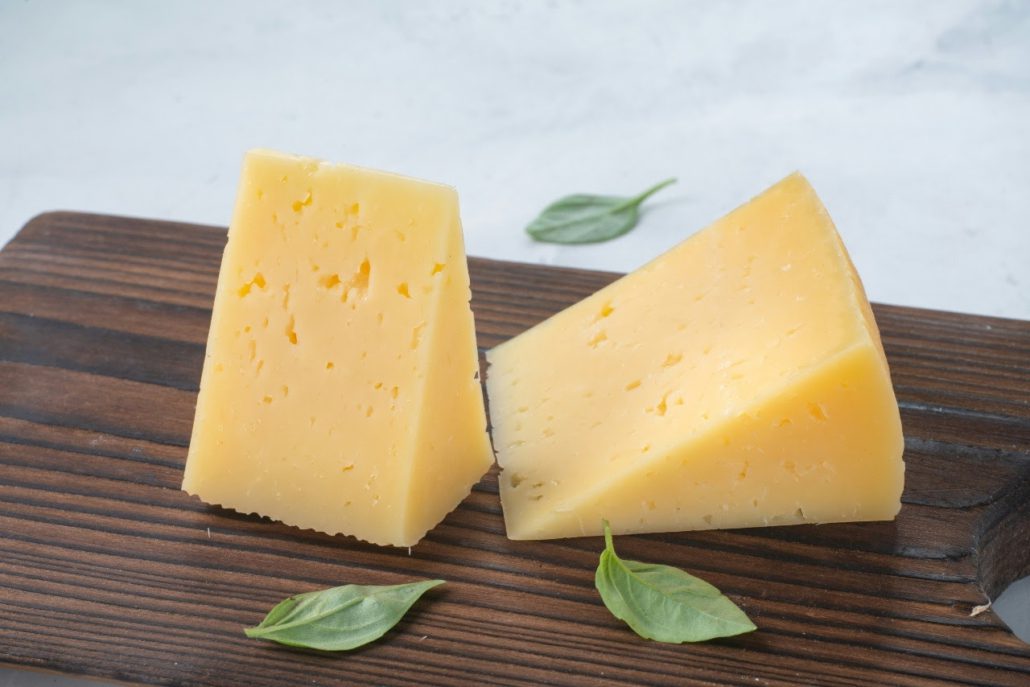
As oestrogen declines, your risk of bone loss and muscle loss increases.
Dairy provides:
Why Dairy Matters in Perimenopause:
As oestrogen declines, your risk of bone loss and muscle loss increases.
Dairy provides: for bone strength
 to preserve lean muscle
 (in fortified products) to support calcium absorption
 Calcium & Protein Comparison (per 100g serving):
 Tips for tolerating dairy
for those who are lactose intolerant.
Tips for tolerating dairy
for those who are lactose intolerant.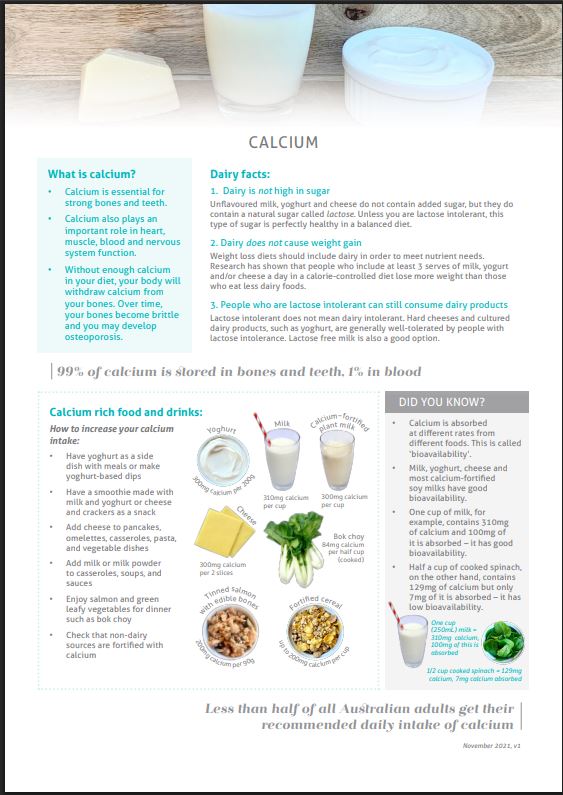


 Referrers, find us on Medical Objects

