Midlife women make the news…
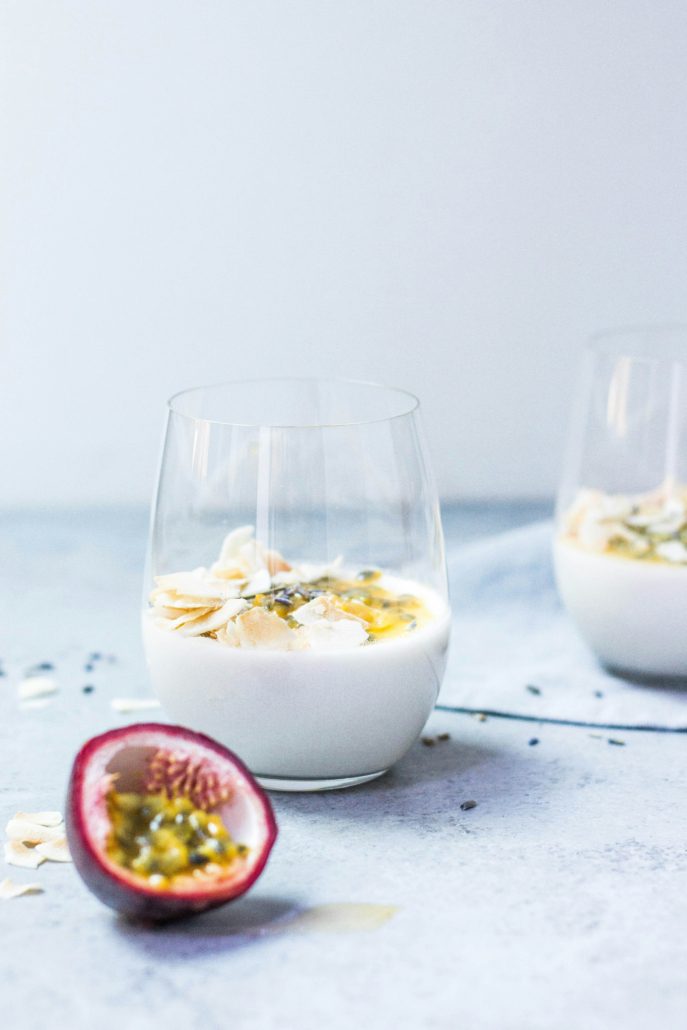
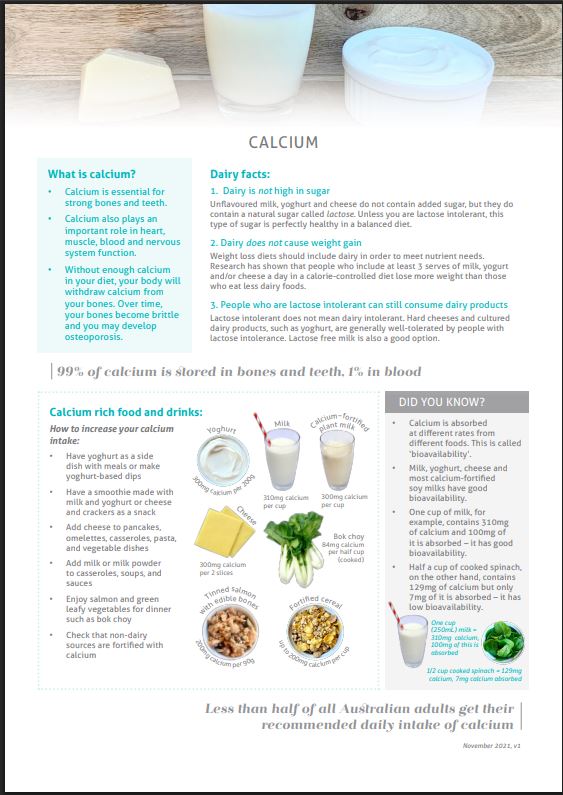
Did you know that Australians don’t get enough calcium from what they eat and drink?
The analysis of the latest data released by the Australian Bureau of Statistics (ABS) show that over 60 per cent of Australians fell short of meeting their calcium needs from their diet in 2023. This was also the case when the last survey was done in 2011–12.
Calcium is important for maintaining strong, healthy bones. Diets that are low in calcium are linked to an increased risk of developing osteoporosis.
Over three-quarters of females in the study did not meet their calcium requirements. This figure increased to about 90 per cent for females aged 12–17 years and 50 years and over (that’s us!).
The study authors from the ABS noted that more calcium is needed at these ages to support bone growth for prevent bone deterioration in older women.
So, are supplements the answer at this time?
The short (and long) answer is: no.
Several large reviews and meta‑analyses have reported that calcium supplements (especially ≥500–1000 mg/day) are associated with a modest but significant increase in “cardiovascular events”, including myocardial infarction (i.e . heart attacks), in healthy postmenopausal women (1,2). The proposed mechanism is that supplemental calcium is absorbed rapidly, causing short‑term spikes in blood calcium levels. These spikes may promote vascular calcification and arterial stiffness, which are risk factors for heart disease (3).
In contrast, calcium obtained from food does not appear to increase heart disease risk and may even be protective. Observational studies consistently show no association between dietary calcium and cardiovascular events, likely because calcium from foods is absorbed more slowly and regulated more effectively by the body (4,5).
Importantly, the bone benefits of calcium supplements are modest. The Australasian Menopause Society notes that supplements produce only small and inconsistent reductions in fracture risk, leading many guidelines to recommend prioritising dietary calcium and reserving supplements for women who cann
ot meet requirements through diet alone 5.
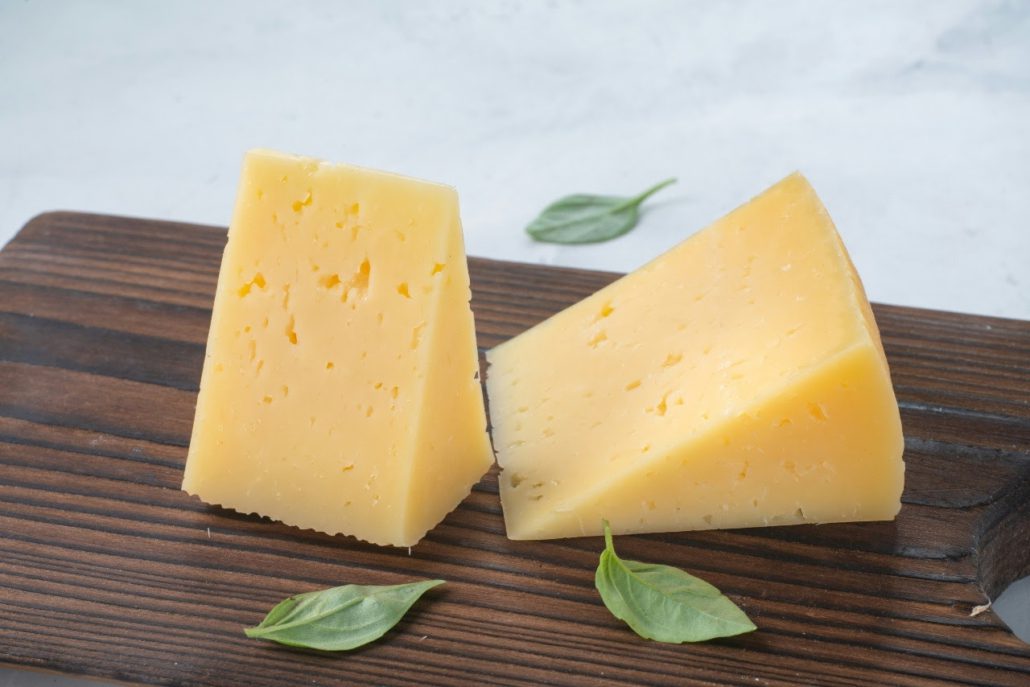
Hard cheese is and excellent source of calcium for midlife women
How you eat (and drink) can help you stay strong.
Past the age of 51 the pattern of eating to provide the nutrients you need changes from BAU (business as usual). Food serves from the dairy and alternatives group DOUBLES. These foods are a powerful ally for bone health, muscle maintenance, and more. (Calcium RDI 1000mg (<51yrs), 1300mg (51+yrs).
Let’s break it down!
 Why Dairy Matters in Perimenopause:
As oestrogen declines, your risk of bone loss and muscle loss increases.
Dairy provides:
Why Dairy Matters in Perimenopause:
As oestrogen declines, your risk of bone loss and muscle loss increases.
Dairy provides:
- Calcium
 for bone strength
 - Protein to preserve lean muscle
- Vitamin D (in fortified products) to support calcium absorption
 for bone strength
 to preserve lean muscle
 (in fortified products) to support calcium absorption
Dairy is a top-tier source of both calcium and protein—key nutrients for perimenopausal health (Source: Easy Diet Diary)
 Calcium & Protein Comparison (per 100g serving):
- Milk (Trim/low-fat): 3.4g protein, 115mg calcium
- Milk (skim, calcium enriched, like “Physical Skim”): 4.0g protein, 168mg calcium
- Greek yoghurt (plain): 9g protein, 110mg calcium
- Cottage cheese: 15g protein, 90g calcium
- Cheddar cheese: 25g protein, 765mg calcium
- Soy Milk (fortified): 3.5g protein, 160mg calcium
- Soy Milk (unfortified): 3.5g protein, 13mg calcium
- Tofu (firm): 12g protein, 320mg calcium
(*100g fluid is slightly more than 100mL)
 Tips for tolerating dairy
for those who are lactose intolerant.
Tips for tolerating dairy
for those who are lactose intolerant.
Try:
-
-
-
-
-
-
-
- Lactose-free milk or yoghurt
- Hard cheeses (naturally low in lactose)
- Fermented dairy like kefir or Greek yoghurt
-
-
-
-
-
-
Do you want to strengthen your bones and muscles?
Our specialist women’s health dietitians are able to tailor a program to support you to adapt guideline recommendations to your lifestyle and preferences. If you need support, please make an appointment to help you achieve your goals.


 Referrers, find us on Medical Objects


